Share This

Showing posts with label Blockchain. Show all posts

Wednesday, 1 July 2026

M’sia in good position to adopt AI


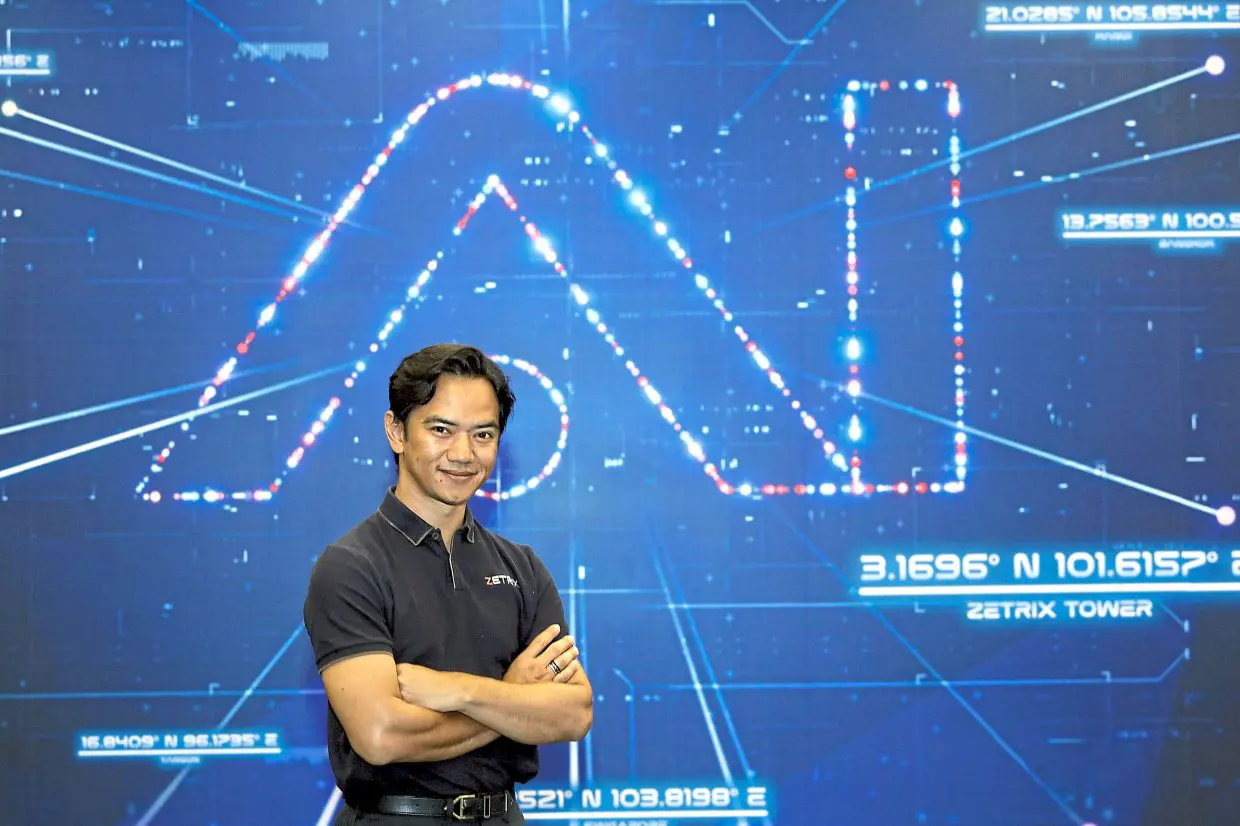
Zetrix co-founder Datuk Fadzli Shah Anuar

PETALING JAYA: With its own recent ambitious foray into the world of artificial intelligence (AI) and blockchain, Zetrix AI Bhd believes Malaysia is well-positioned to adopt and adapt to the fast-moving world of AI technology, and potentially reap economic benefits from the evolution.

Datuk Fadzli Shah Anuar, co-founder of Zetrix, the group's layer-1 blockchain platform, believes the country’s way forward lies not directly from its influx of its data centre (DC) pipeline, but more in how it enables its current workforce to improve productivity as the adoption of AI and high-level technology becomes more prevalent.

The issue is all the more relevant, given Malaysia’s seemingly continuous grapple with the issue of stagnating wages and increasingly higher cost of living.

In an exclusive interview, Fadzli acknowledged that while the government’s sanctioning of the DC influx represents its willingness to get on the tech bandwagon, the presence of DCs themselves will not translate into significant employment opportunities, especially given its highly skilled barrier of entry.

“In fact, while the adoption of AI and blockchain as a whole will mean jobs will be created, we see tasks will also be taken by non-humans, particularly a large portion of repetitive tasks that need to be done reliably and transparently,” he said.

Fadzli further explained why the group has forged several government-backed partnerships with Chinese entities, primarily focusing on AI innovation, blockchain interoperability, cross-border trade facilitation, digital identity and data trading.

With China being a significant economic and trade partner for Malaysia, he reiterated that Zetrix AI’s belief that much of China’s industrial and end-user behaviour will translate to some form of variant in this country, remarking: “Malaysia will follow similar growth and adoption cycles.”


Citing the recent trend of one-person companies or OPCs in China, with a single entrepreneur utilising multiple AI agents in delivering a service, Fadzli expects more tech-savvy youths adopting this business model.

He observed this as a form of job creation, commenting that Malaysia is well positioned to embrace this approach.

“This example will show that the current workforce can use AI and technology to become even more effective within its current roles, and perhaps we will see a tectonic shift of job roles.

“Businesses will move dynamically, a simple but huge departure from how things were previously, and we see Malaysia adopting such technology addictively,” he noted.

Nevertheless, Fadzli recognised the trust challenges that come with widespread AI and tech adoption, especially in maintaining service dependency and data privacy trust.

He believes there are three facets to building digital trust, namely, the reliability of the service rendered, data protection and the assurance that there will be no leakage of information, and the certainty that the parties dealing with each other know exactly who they are transacting with.

“We see that with the use of AI agents, not only can everything be done very accurately but also securely, because it will all be based on data packets. So for that, we believe that over the long term (AI), the agent-to-agent economy will be a commonplace occurrence,” said Fadzli.

As to how reality plays out this adoption, he is betting that it will change the way the public consume everyday services, from booking a car, ordering products online to even eCommerce, with AI agents securely matching orders to personal profiles.

Furthermore, he feels as applications become simpler for higher utilisation among the public, due to faster iteration cycles, there also needs to be user acceptance and awareness, and the necessity to marry digital identities (such as Malaysia’s MyDigital ID) with ever-growing technologies to ensure better data privacy and prevent scams.

With China and Asean being economies with somewhat different profiles, Fadzli conceded that there is no straightforward answer to this question.

He emphasised that China, due to the sheer size of its population and economy, can set standards, but it does not represent cluster economies which are interdependent as a trading bloc such as Asean.

“In our view, Asean is opportunistically a good showcase of how independent countries can work together and we are in a position to adopt certain standards that could be carried through an entire bloc, which can then be mirrored by the Gulf Cooperation Council or South American nations,” he explained.

On the differences between China and Asean notwithstanding, Fadzli believes that certain major economies (such as China or the United States) will lead in certain standards and cluster nation groups will then adopt these standards.

He says Asean state leaderships believe in digitalisation as a serious economic lever, as there is concerted effort to take this conversation seriously.

“Governance, however, is not keeping pace with the adoption or the onboarding of technology.

“What we can do to add value to what China is doing, using QR codes as an example, is to enable cross-border transactions and tech adoption more efficiently. Can governance keep up with such innovation?”

In addition, Fadzli said a more widespread usage of stablecoins such as the JMYR, a Malaysian ringgit-pegged stablecoin, would mean trades can be analysed with data more efficiently, while financing and remittances can be made instant.

JMYR is a fully backed, 1:1 digital token representing the Malaysian ringgit, designed for fast, programmable payments, settlements, remittances, and on/off-ramp functionality on Zetrix’s blockchain.

“It is essential to construct a stablecoin infrastructure, as this can create a transparent yet secure, efficient and competitive marketplace,” said Fadzli.

Thursday, 21 August 2025

Chronicling evolution of MyKad since 2001: MyKad – Shaping the future of Malaysia’s digital citizens


Badrul Hisham showing old identity cards on display at NRD.

rds on display at NRD.

With a single card, individuals can confirm their Malaysian citizenship and seamlessly handle daily tasks such as paying toll, using public transport and buying essentials.

Efficient and convenient – that’s how several users describe their experience using MyKad in daily life.

Some are even updating their MyKad to ensure they have access to the one-off RM100 cash aid given out by the government for the purchase of essentials from Aug 31 in conjunction with National Day.
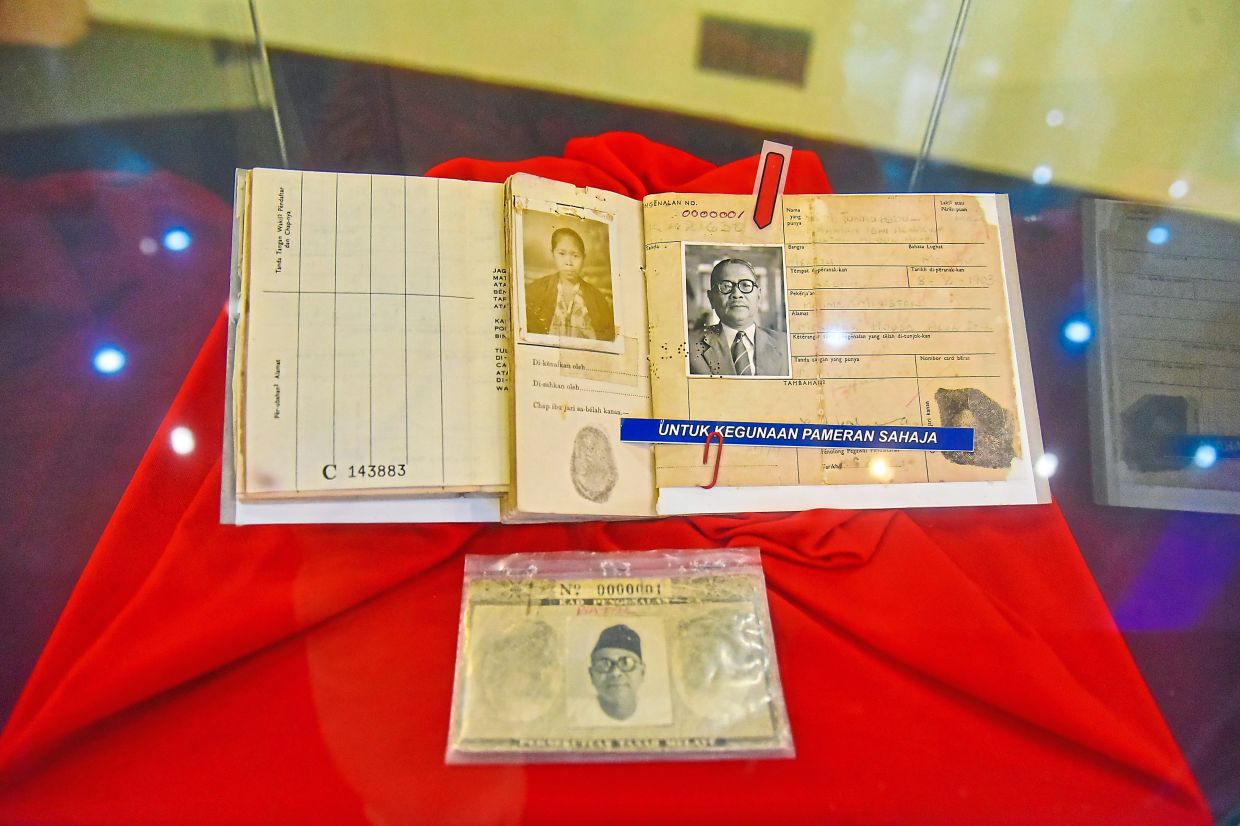
The identity card of Malaysia’s first prime minister Tunku Abdul Rahman Putra Al-Haj on display at the NRD museum. (Right) Badrul Hisham showing old identity cards.The identity card of Malaysia’s first prime minister Tunku Abdul Rahman Putra Al-Haj on display at the NRD museum. (Right) Badrul Hisham showing old identity cards.

“I don’t need to carry multiple cards in my wallet.

“MyKad is enough,” said trader Roslina Daud, who uses it as an alternative Touch ‘n Go (TNG) payment method for tolls and parking fees.

Private sector worker Maisara Abdul, who uses public transport to commute to work, said the My50 pass integrated with MyKad was convenient as she no longer needed to carry multiple travel passes for different modes of transport.

Sumbangan Asas Rahmah (Sara) aid recipient Rohani Abdullah welcomed the use of MyKad as a payment method for basic necessities, saying it helps reduce the risk of loss or theft.

“With MyKad, Sara recipients like me do not need to queue at banks or automated teller machines (ATMs) to withdraw money.

“We can go directly to the supermarket, pick up essential items and pay using MyKad,” she said.

History of MyKad

MyKad, or Government Multipurpose Identity Card, was introduced in 2001.
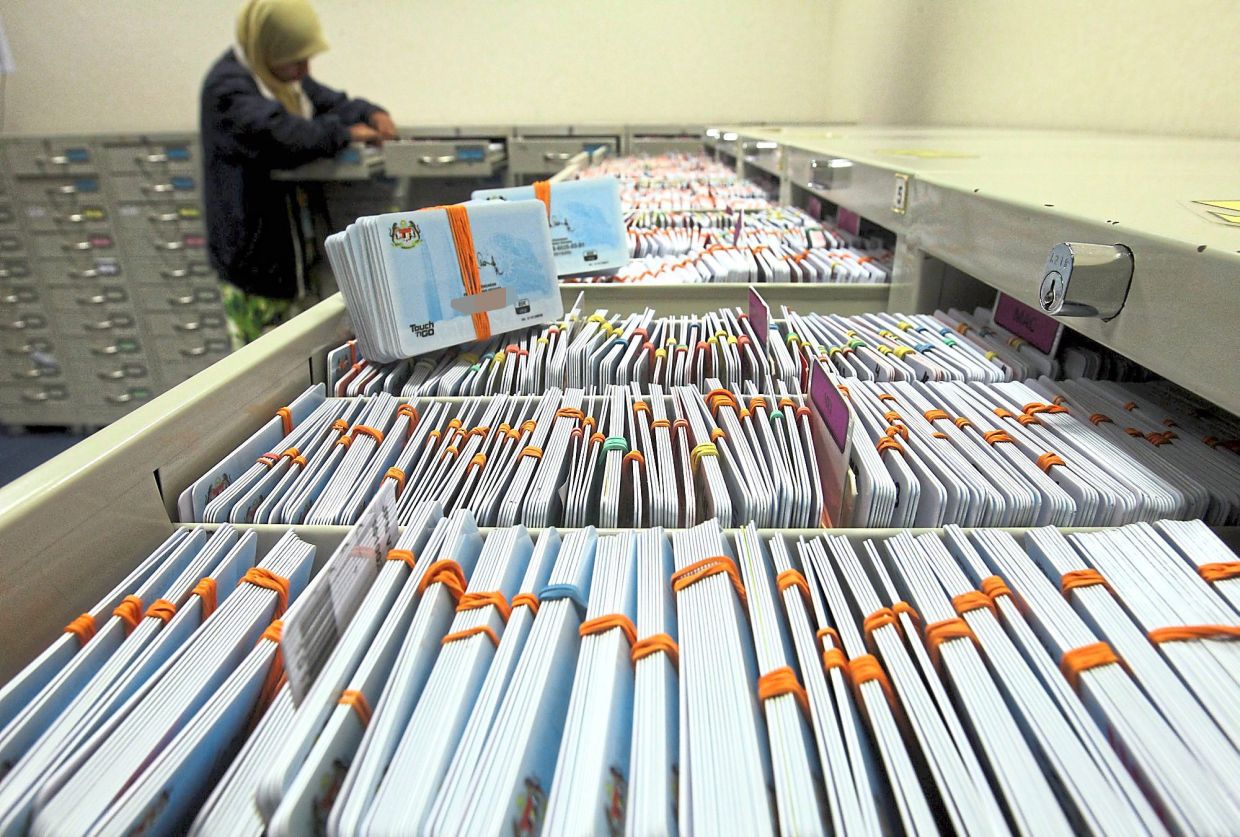
New MyKad waiting to be collected at NRD Putrajaya. — FilepicNew MyKad waiting to be collected at NRD Putrajaya. — Filepic

Its goal was to modernise the national identity system, enhance identity security and offer a digital platform that integrates multiple applications into a single card.

Commenting on MyKad’s evolution over more than two decades, National Registration Department (NRD) director-general Badrul Hisham Alias said four versions had been introduced, with the latest launched in 2012.

However, the department is now in the final phase of developing a new MyKad version with enhanced security features.

“The first version used plastic before being upgraded to Polikad 2.0, followed by the current version, which includes additional features like a ‘ghost image’ to improve security.

“Overall, MyKad underwent major changes in 2012 to keep up with technological developments, including design, security features and chip technology,” he said in an interview with Bernama.

Explaining the meaning behind the term “MyKad”, he said “My” referred to Malaysia, while “Kad” meant identification card – its main function being to identify all Malaysian citizens.

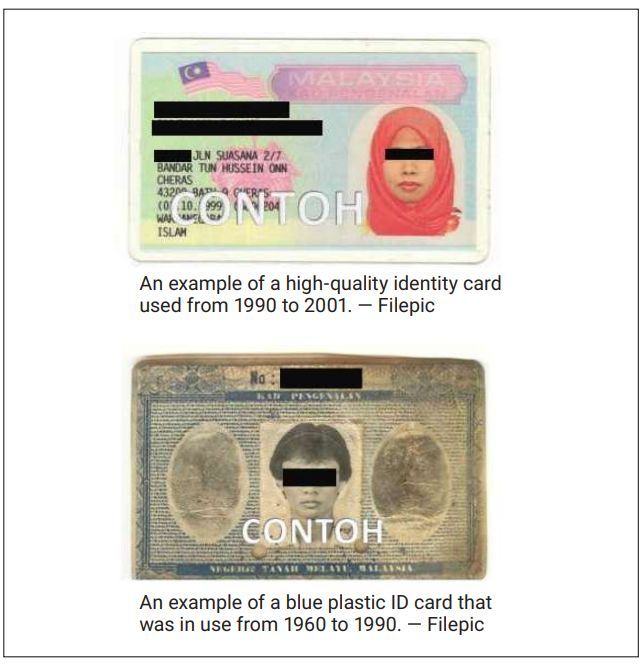
“MyKad is the continuation of the country’s identity document (ID) system, which started with paper cards (1948-1960), then blue plastic ID cards (1960-1990), followed by the hibiscus cards (high-quality IDs from 1990-2001) and now, the modern MyKad,” he said.

Although not fully digital, MyKad is designed to support various government transactions and services by integrating digital applications like driving licences, international passport information, basic health data and e-wallets.

“MyKad is widely used in Malaysia’s public healthcare sector, especially for managing medical records, vaccinations and access to public hospital services through identity verification.
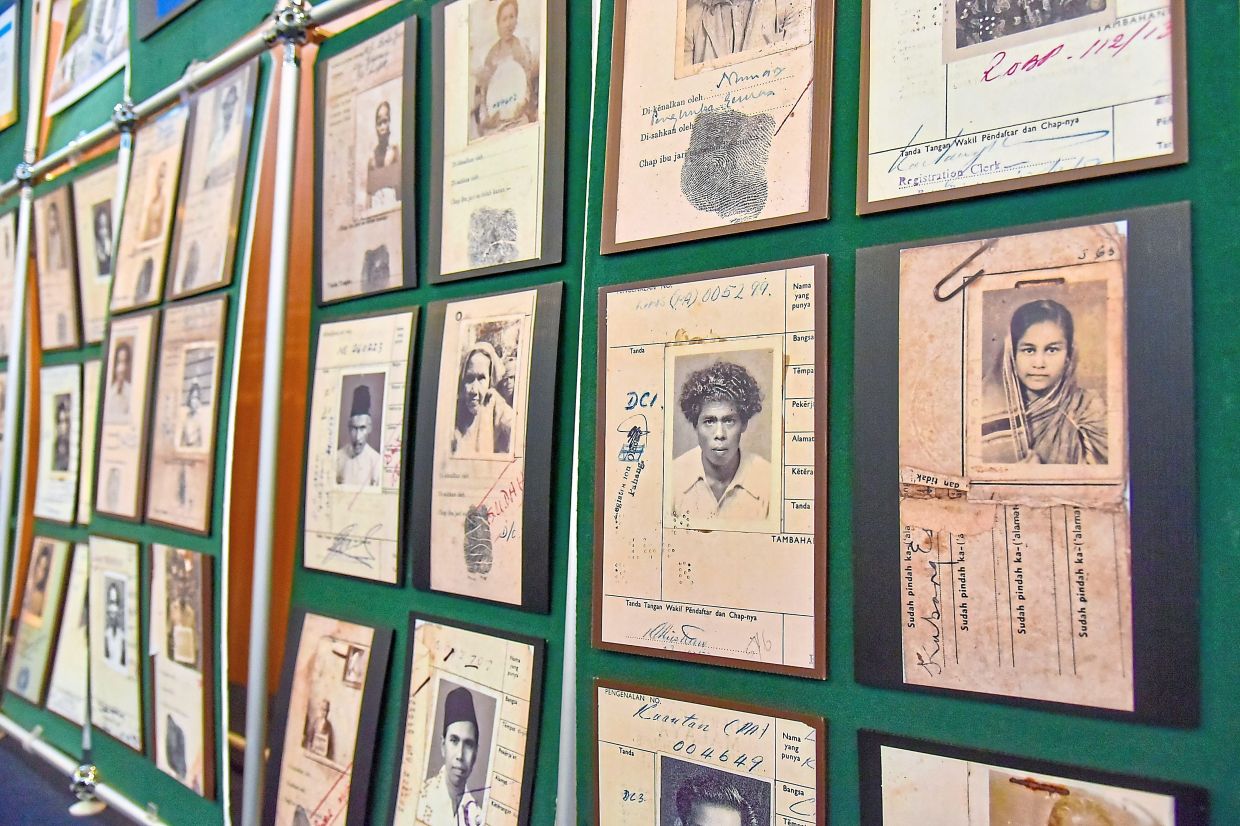
The country’s ID system started with paper cards (1948-1960). — Photos: BernamaThe country’s ID system started with paper cards (1948-1960). — Photos: Bernama

“We have also collaborated with agencies like Inland Revenue Board (LHDN) and Employees Provident Fund (EPF) to improve the effectiveness of financial aid delivery,” he said.

Security features

On public concerns about MyKad’s security, especially if it becomes more widely used, Badrul Hisham said the latest card version contained a chip with built-in security features.

“This chip can only be read, written and recorded by NRD’s approved systems.

“While the chip is also used in other industries, its usage in MyKad is tightly controlled,” he explained.

Visible security features include the “ghost image” using laser engraving technology and enhanced smart chip capacity.

While chip card readers are widely available in the market, only NRD-approved devices can access MyKad data.

Badrul Hisham said data sharing with other agencies like LHDN, Road Transport Department (JPJ), police, Health Ministry and others was conducted securely under a “whole-of-government” approach.
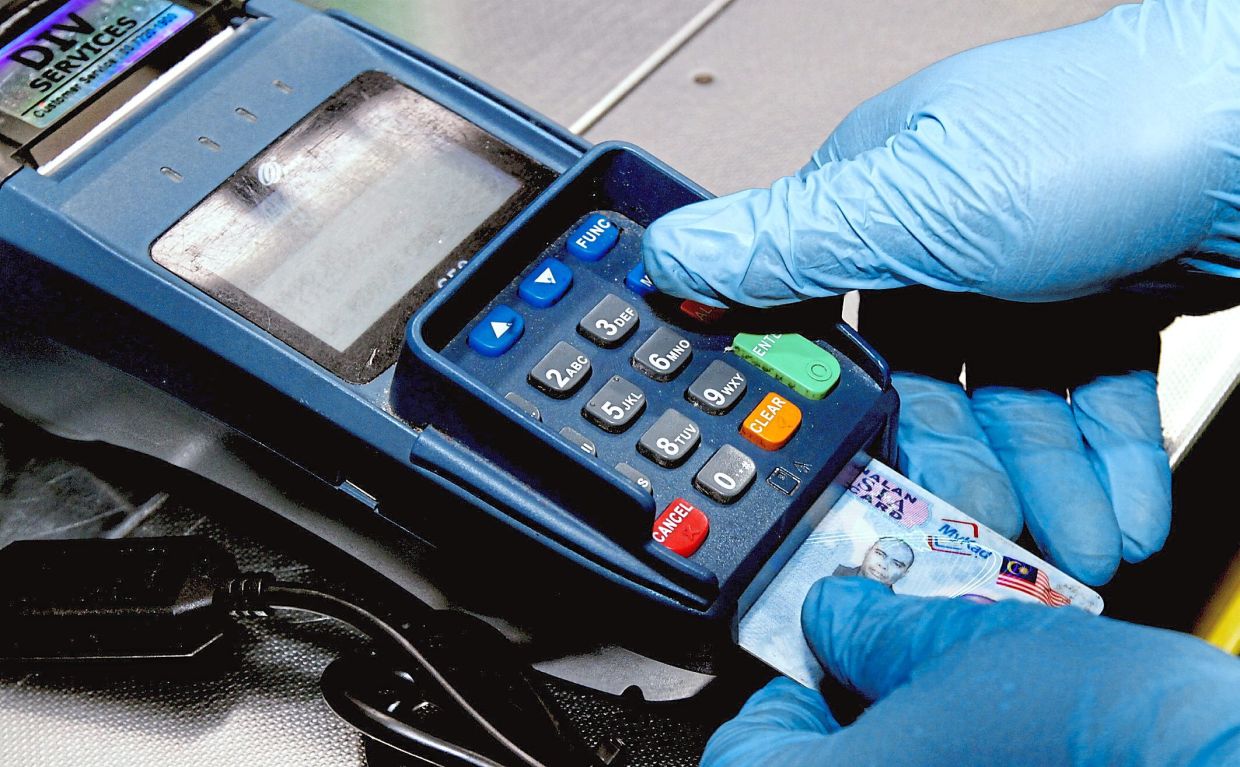
While chip card readers are widely available in the market, only NRD-approved devices can access MyKad data. — FilepicWhile chip card readers are widely available in the market, only NRD-approved devices can access MyKad data. — Filepic

He noted that the MyKad chip was equipped with security keys to prevent unauthorised data access or misuse.

“MyKad data can only be accurately accessed using card readers programmed with specific command sets supplied by certified vendors.

“Fingerprint data is encrypted and requires matching keys for access.

“Any information update can only be done at NRD counters through a card replacement process,” he explained.

Badrul Hisham added that data sharing was regulated and must be approved by the NRD director-general.

“This sharing is only allowed for specific purposes, like improving public services, policy development or research – all while ensuring data confidentiality and security,” he said.

Regarding the risk of MyKad forgery or data cloning, he said the card was designed according to international standards and was very difficult to forge.

“Security features exist on multiple layers of the card, with some requiring special tools for verification.

“This makes MyKad, especially the chip, very hard to counterfeit,” he said.
Role in aid

Currently, MyKad is used to distribute financial aid such as Sumbangan Tunai Rahmah (STR), Sara and eKasih.

Sara, for example, involves 5.4 million recipients using aid from the Finance Ministry to purchase items from 14 categories at participating outlets.

On the perception that Sara funds are “loaded” into MyKad, Badrul Hisham clarified that no money was credited to the card itself.

Instead, recipients’ data is accessed through the store’s system during transactions.

“At participating stores, simply present your MyKad.

“Once your ID number is entered, your name will appear and you can shop based on your allocated aid amount,” he said, adding that the system also showed the remaining balance.

“For the RM100 Sara aid announced by Prime Minister Datuk Seri Anwar Ibrahim, recipients only need to present their MyKad to the cashier for identity verification,” he said.

Badrul Hisham stressed that the aid redemption could not be delegated to another individual.

“It is important to remember that MyKad cannot be held or used by others, including family members, in accordance with Regulation 25(1)(e) of the National Registration Regulations 1990,” he said.

Violators may face up to three years in prison, a fine of up to RM20,000, or both.

Badrul Hisham acknowledged that NRD’s initial goal to make MyKad a multi-purpose platform had yet to be fully realised, despite it being in place for 24 years.

Interest from government agencies in using MyKad as a core service delivery platform has also waned.

He said the latest MyKad version could support digital applications for payments, health records and banking, because of its increased chip capacity – 124KB or 128KB compared to the previous 84KB.

“But many agencies have stopped using MyKad in their systems – like JPJ.

“Otherwise, we would not need to carry a physical driver’s licence; MyKad would suffice.”

Physical vs digital

Commenting on MyDigital ID and MyKad, Badrul Hisham said the physical MyKad was governed by the National Registration Act 1959 and would remain relevant despite MyDigital ID implementation.

NRD is committed to ensuring MyKad remains a robust and relevant identity document, aligned with technological progress and public needs, he said.

In the future, he added, MyKad would not only serve as a physical ID, but also as a key to Malaysia’s digital ecosystem, integrating government, financial, healthcare and social services into one secure, efficient and accessible platform.

“Even in other countries with digital systems, physical ID cards still play a role.

“Our goal is to provide fully end-to-end services, including digital services.”

To support this, NRD is in the process of amending the National Registration Act to enable digital applications via MyKad.

Dr Umi Hamidaton Mohd Soffian Lee, a senior lecturer from the Economics and Muamalat Faculty at Universiti Sains Islam Malaysia (USIM) said MyKad remained crucial in the distribution of aid and subsidies.

“MyKad serves as an integrated database, enabling the government to identify target groups for aid distribution and targeted subsidies based on the profile contained in the MyKad, which includes information such as individual and household income, records of government aid received such as STR and Sara, and number of dependants,” she said.

Citing the example of implementing targeted subsidies for petrol, she said using MyKad was more efficient as the card’s security features could prevent duplication.

“However, if the government intends to implement targeted petrol subsidies via MyKad scanning in the future, it is advisable to first enhance information and digital technology infrastructure in rural areas,” she said.

Umi Hamidaton also recommended that the quality of MyKad continue to be improved, noting that incidents still occurred where the security chip could not be read and the card itself broke easily.

Blockchain enhancement

Blockchain technology can improve MyKad’s security and transparency by storing data in immutable digital ledgers, enabling full audit trails for each access and using cryptography for secure identity verification.

Dr Nor Alina Ismail, Data Science and Computing Faculty head at Universiti Malaysia Kelantan (UMK), said blockchain could ensure better data integrity through permanent records, cryptography and transparent verification across networks – making manipulation or hacking very difficult.

“Unlike centralised systems that are vulnerable to breaches and data loss, blockchain offers distributed storage and real-time audit trails, ideal for sensitive data like health records and digital identity if combined with strong privacy protection mechanisms,” she explained.

She said MyKad could be enhanced into a digital identity wallet through blockchain, integrating personal data like e-wallets, digital certificates, driving licences, health records and ID data securely in a single chain of identity.

She added that zero-knowledge proofs could allow verification of status – such as citizenship or age – without disclosing the full data, improving privacy.

The technology also enables cross-sector use (government, banking, healthcare, education and transport) through shared ledgers and automated smart contract verification.

“For instance, when applying for a bank loan, the bank can verify ID through NRD and employment status via EPF or LHDN without needing physical documents.

“This access can also be restricted via permissioned blockchain and logged for auditing, making processes more efficient and less prone to fraud while giving users full control,” she said.

However, for full implementation, a legal framework, stable digital infrastructure and strong privacy protection are required.

Anticipating that MyKad will evolve into a fully digital identity system within five to 10 years, Nor Alina said Malaysia could emulate countries like Estonia, which had a comprehensive digital identity system.

But, she acknowledged that building a blockchain-based MyKad system would require large government investment in technology, digital infrastructure upgrades, long-term maintenance and training.

“The main challenge is the high initial cost due to upgrading current systems, bridging the digital divide, enhancing existing laws, drafting new ones and developing a comprehensive cybersecurity policy,” she said.

“However, this transformation depends on the readiness of digital infrastructure, the legal framework, public technological literacy and data security assurance.

“Therefore, in this decade, we may see a hybrid approach, where MyKad exists in both physical and digital forms before fully transitioning to a blockchain-based digital identity once the nation’s technological and legal ecosystem is truly ready,” added Nor Alina.

Source link

Thursday, 16 January 2025

Unmasking the danger of privacy coins


Technology supporting cryptocurrencies is used in the real world for drug trafficking, human trafficking, sexual exploitation and smuggling of goods 

Cryptocurrencies that emphasise anonymity and encryption are frequently used by criminals

USING state-of-the-art technology to support cryptocurrencies is a double-edged sword. It facilitates cross-border payments and remittances as well as financial inclusion for the underbanked or unbanked but is increasingly used for criminal activities.

It is used in the real world for drug trafficking, human trafficking, sexual exploitation and smuggling of goods, rather than just cybercrime like ransomware attacks.

According to a European Union Agency for Law Enforcement Cooperation (Europol) report in 2022, cryptocurrencies are being used for all types of crime requiring financial transmissions, the scale of which is difficult to estimate. Europol noted that criminals have also become more sophisticated in using cryptocurrencies to in complex money-laundering schemes.

Both Europol and the Basel Institute on Governance, which also published a report in 2022, point to the rapid progress of technologies involving cryptocurrencies and the challenges governments have in keeping up through legislation and law enforcement or the need to develop and adapt through investigative technologies and techniques.

It is only now that anti-money laundering (AML) and know-your-customer (KYC) processes common in transactions involving fiat money are starting to take into account cryptocurrency transactions.

Bank Negara and the Securities Commission (SC) have guidelines for cryptocurrencies and have hired specialists to monitor or regulate them. Now, the Malaysian Anti-corruption Commission (MACC) is looking at raising the capabilities of its officers who address cases in which cryptocurrencies are used to conceal financial trails.

The move involves further specialised training as well as acquiring advanced technology and equipment. In Malaysia, people can own cryptocurrencies and they can be traded on licensed digital exchanges, but are not considered legal tender.

Some say that the MACC is late to the game as the police already have the capabilities through the Kuala Lumpur-based Cryptocurrency Analysis Laboratory, which was jointly opened with the United Nations Office on Drugs and Crime in 2022. It is the first such laboratory in South-east Asia.

In fact, a series of fraud or scams leveraging cryptocurrencies have been crippled through this crime laboratory capability going from past news reports.

Also, Bank Negara and the SC have been exploring solutions for the past year or two.

A lawyer specialising in cryptocurrency projects shares that its basically track-and-trace to follow the money trail through the blockchain, which is essentially a digital ledger where all transactions are recorded and confirmed. Unlike cash, cryptocurrency transactions are highly traceable from start to finish, and with the right tools, can be mapped out how illicit funds have moved and how they are being funnelled.

When these tools acquire more data, they can also flag out wallet addresses that have been sanctioned or linked to illegal sources, which means authorities will also know whether the funds are tainted.

Compared with the banking system, tracing funds through the blockchain’s public digital ledger is easier, even when these funds cross borders.

According to the lawyer, the police can easily trace illicit fund flows even if a circuitous route is used. Banks have limited tracing ability and cooperation of foreign correspondent banks and law enforcement will be needed once funds cross borders.

Banking laws in other countries may differ pertaining to privacy and disclosure and in most cases, a court order is needed to request information.

There is a need to better understand altcoins such as privacy coins, as these cryptocurrencies that emphasise anonymity and encryption are frequently used by criminals.

There are many privacy coins including Monero, Dash and Zcash but Monero seems to be the cryptocurrency of choice among criminals. They work by enabling anonymous transactions through obscuring both sender and receiver addresses.

What makes them even more useful is that the transaction amounts are also hidden through the use of an obfuscated public ledger specifically for privacy.

The MACC as well as other law enforcement agencies will have to equip themselves with the right tools and know-how to confront these challenges.

Europol describes it thus: “Often illicit funds do not flow straight from wallet to wallet. They instead travel through a multi-step process involving different financial entities, many of which are novel and are not yet part of standardised, regulated financial payment markets.

“Obfuscation methods and other countermeasures continue to be developed and used by criminals.”

Other methods used by criminals include over-the-counter trading in which tracing the trade is almost impossible. Initially used for smaller transactions, there are signs that it is now being used for much bigger ones.

The enormity of the challenges confronting law enforcement agencies such as the MACC is that privacy coins are hard to track as most have been delisted by cryptocurrency exchanges under pressure from governments and no one knows how prevalent the use of these coins is.

Criminal networks often use unlicensed exchanges with looser AML and KYC processes, enabling transactions that involve a complex series of steps to throw off authorities, before eventually being traded for fiat currency.

Source link

Thursday, 4 November 2021

Big dreams of becoming a global cryto hub

Singapore plans to emerge as key player

Easing restrictions: A representation of the virtual cryptocurrency bitcoin. The Monetary Authority of Singapore is against clamping down on crypto. — Reuters

 SINGAPORE: Singapore is seeking to cement itself as a key player for cryptocurrency-related businesses as financial centres around the world grapple with approaches to handle one of the fastest growing areas of finance.

“We think the best approach is not to clamp down or ban these things,” said Ravi Menon, managing director of the Monetary Authority of Singapore (MAS), which regulates banks and financial firms.

Instead, MAS is putting in place “strong regulation”, so firms that meet its requirements and address the multitude of risks can operate, he said in an interview.

Nations differ vastly when it comes to how they handle crypto: China has cracked down on large amounts of activity in recent months, Japan only recently allowed dedicated crypto investment funds – though El Salvador has embraced bitcoin as legal tender.

In the United States, while there are an abundance of options for investing in the burgeoning asset class, regulators are concerned about everything from stablecoins to yield-generating products.

“With crypto-based activities, it is basically an investment in a prospective future, the shape of which is not clear at this point,” said Menon, who has helmed the MAS for about a decade.

“But not to get into this game, I think risks Singapore being left behind. Getting early into that game means we can have a head start, and better understand its potential benefits as well as its risks.”

The stakes are high for the small island nation, which has already earned a reputation as a global wealth hub. Singapore must raise its safeguards to counter risks including illicit flows, Menon said.

The city state is “interested in developing crypto technology, understanding blockchain, smart contracts and preparing ourselves for a Web 3.0 world,” he said, referring to the third generation of online services, which will be a key theme during the Singapore Fintech Festival that MAS will host next week.

Menon acknowledged that banks and other financial institutions will face certain challenges with the decentralisation of finance. Still, Singapore wants to be “well positioned” for 2030 when “an economy of tokenisation” may come, he said.

Singapore isn’t the only place with crypto ambitions. Locations as diverse as Dubai, Miami, El Salvador, Malta and Zug in Switzerland, are also making efforts.

It can be a fine line to tread, given the crypto industry grew up with few regulations, so many players balk at government officials’ attempts to impose guardrails.

Singapore’s approach has attracted crypto firms from Binance Holdings Ltd, which has had a series of run-ins with regulators around the world, to Gemini, a US operator targeting institutional investors, to set up base.

Some 170 companies applied for a MAS licence, taking the total number of firms seeking to operate under its Payment Services Act to about 400, after the law came into effect in January 2020.

Since then, only three crypto firms have received the much-coveted licences, while two were rejected. About 30 withdrew their application after engaging with the regulator. 

Among those approved is the brokerage arm of DBS Group Holdings Ltd, Singapore’s largest bank, which is also a pioneer in setting up a platform for trading of digital tokens while offering tokenisation services.

The regulator is taking time to assess applicants to ensure that they meet its high requirements, Menon said. The MAS has also boosted resources to cope with high volumes of prospective services operators, he said.

“We don’t need 160 of them to set up shop here. Half of them can do so, but with very high standards, that I think is a better outcome,” he said.

Menon said the benefits of having a well-regulated local crypto industry could also extend beyond the financial sector.

“If and when a crypto economy takes off in a way, we want to be one of the leading players,” he said.

“It could help create jobs, create value-add, and I think more than the financial sector, the other sectors of the economy will potentially gain.” — Bloomberg

Source link


On top for a third year running | The Star


Related posts:


Representations of cryptocurrencies Bitcoin, Ethereum, DogeCoin, Ripple, Litecoin are placed on PC motherboard in this illustration take...
 

Friday, 22 November 2019

Blockchain: Internet of Value/ Currency of Trust; Private cryptocurrency a misallocation among blockchain technology, say research & economist


  • Blockchain embodies the internet of value. How will it revolutionize our lives and our pockets?

  •  And, we look at the qualities Blockchain needs to spark mass adoption.


https://youtu.be/oJGVvJS0A0I

Blockchain, one of the buzzwords in technology, is set to rise in China. Recently, Chinese President Xi Jinping underscored the fledgling technology as the country increasingly views Blockchain as key to future innovation. Has a digital game changer arrived? How will a boom in Blockchain impact our lives? Today we delve into the world of the new technology and talk to Don Tapscott, co-founder and executive chairman of the Blockchain Research Institute, to find out more.

https://youtu.be/DCLqWpXFE2o

Currency of Trust


Blockchain has the potential to be revolutionary. But, what hurdles must it overcome before it can hit the mainstream? In London, we invited Patrick McCorry, founder and CEO of PISA Research, a grant funded by a group of Blockchain companies, to decode this ever-changing world.

https://youtu.be/A2IDapvfUTM


https://youtu.be/41hPRCnUCtI

https://youtu.be/8H-pJ9hs9I4


Private cryptocurrency a misallocation among blockchain technology, says economist

Cryptocurrency is digital-based cash among the internet world nowadays. Born from blockchain, this kind of "currency" is blooming in terms of high privacy. Acknowledging that, Nobel Prize-winning economist and Harvard professor Eric Maskin commented that private cryptocurrency is a misallocation.

"The most important application of blockchain so far has been cryptocurrency, and that is a terrible misallocation. In my view, cryptocurrency, at least private cryptocurrency like bitcoin is a mistake," said Maskin.

"Because the public currency like RMB and U.S. dollar are much more useful than private currency. [Public currencies] they preserve the power of central banks to conduct monetary policy. If no one is using the dollar, then the U.S. monetary policy is useless. So I'm worried about cryptocurrency only to the extent that it reduces the use of currencies like RMB or dollar," he added.

He also pointed out that cryptocurrencies could interfere with central banks' monetary policies.

Meanwhile, Maskin supports the idea that blockchain is a technology. He noted that it is one of the exciting developments that have come along in recent years.

"Blockchain can make all sorts of transactions much easier and much more secure. It can also ensure that only the information that people need to have gets transmitted," said Maskin.

"Blockchain is a way for me to guarantee that only what you need to about me gets told. And that's valuable in a world where we're beginning to worry about privacy issues," the professor explained.

Besides, Maskin supports building the country's own digital currencies. With the backdrop of e-payment booming around the world, Maskin said the digital currency can make transaction easier but it won't have all of the unpleasant side effects of these private currencies.

Source link


Read more:

Blockchain with Chinese characteristics